Confirmation Content
Transforming Lives from the Inside Out
Chaplain Diane from Victoria tells her story
Diane never imagined prison ministry would be part of her life. She applied for a simple admin role at a TAFE college — only to discover the campus was inside a juvenile justice centre. That unexpected job became the beginning of a twelve-year journey into prison ministry, one that would profoundly change not only the lives of prisoners… but her own.
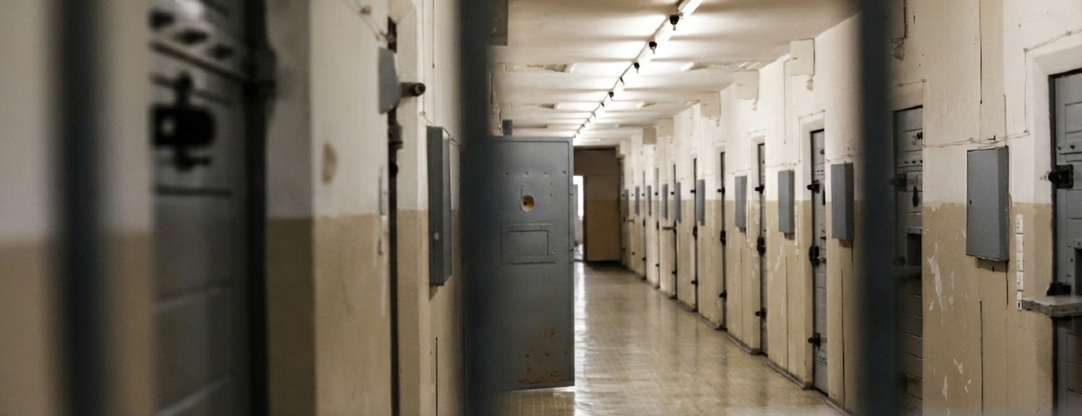
When Diane first walked through the gates, what struck her most wasn’t the security or the systems — it was the atmosphere.
“There was this overwhelming sense of hopelessness,” she says. “These young men had no vision for their future. Most had given up on life.”
Many were between 18 and 25 years old. As a mother herself, Diane found the experience heartbreaking. Beneath the crimes were stories of trauma, addiction, fractured families, and deep shame.
Preparing for Life Beyond Bars
Feeling called to do something about this, Diane joined Prison Fellowship as a programs coordinator, working with prisoners in the final months of their sentences. She helped design transition programs focused on practical life skills — budgeting, communication, relationships — but she knew information alone wasn’t enough.
“We could work with them on the inside,” she explains. “But the minute they step outside the prison, it’s a very different story.”
Without the structure of prison, life outside can be overwhelming and isolating. Vulnerable and desperate, it can be all too easy to relapse or turn to crime.
“Most prisoners are institutionalised. They don’t know where to go. And there’s no one there telling them what to do and how to do it and when to do it,” Diane explains. In an effort to break the cycle, Diane helped build something different: mentoring relationships that began inside prison and continued on the outside. Prisoners met Christian mentors before release — people who would walk with them, not just teach them.
The impact was extraordinary.
Years later, Diane still receives phone calls from former prisoners — some simply to say thank you. “It’s not about what I did,” she says. “It’s what happens when people commit to walking alongside someone.”
Hope Through God’s Word
At the heart of Diane’s work was the Word of God — though she learned quickly that many prisoners felt intimidated by the Bible. Something restricted to only perfect people and definitely not prisoners.
“They saw it as this holy book or some religious thing,” she says.
One day, mid-conversation, Diane found herself saying something that changed everything: “The Bible is actually a collection of books written mostly by prisoners.” This statement really grabbed their attention.
When she explained that Jesus himself was falsely accused, beaten, and executed by authorities — something shifted. Suddenly, Scripture felt accessible. Relatable. Human.
One man began reading the Bible quietly in his cell. After a lesson on forgiveness — where Diane shared her own painful journey of forgiving childhood abuse — he did something remarkable. He contacted his estranged father and asked for forgiveness.
When he returned to class, he was in tears.
“That was the best day of my life,” he said.
“The burden is gone.”
Moments like that confirmed what Diane had seen again and again: God’s Word changes lives — from the inside out.
“It’s not just a donation,” Diane says.
“It’s an investment in real transformation.”
A Bible doesn’t just affect a prisoner. It reaches families. Children. Generations. $20 can place a Bible into a prisoner’s hands today — unlocking hope, transformation, and a ripple effect that extends far beyond the prison walls.
Confirmation Content

By providing Bibles, biblical resources, language translations and training. Together, your partnership is transforming lives globally by helping people engage with God’s Word, and in ways they understand, so they come to know Jesus.